

Rosin flux is a critical component in various industries, especially in electronics manufacturing and soldering. As a leading rosin flux supplier, I often receive inquiries about the melting point of rosin flux. Understanding this fundamental property is essential for ensuring the quality and efficiency of soldering processes. In this blog post, I will delve into the concept of the melting point of rosin flux, factors that influence it, and its significance in practical applications.
What is Rosin Flux?
Before we discuss the melting point, let's briefly introduce rosin flux. Rosin flux is a type of flux commonly used in soldering operations. It is derived from pine tree resin and contains abietic acid and other organic acids. The primary function of rosin flux is to remove metal oxides from the surfaces to be soldered, prevent further oxidation during the soldering process, and promote the wetting of the solder on the metal surfaces. This results in a stronger and more reliable solder joint.
The Melting Point of Rosin Flux
The melting point of rosin flux is not a fixed value but typically ranges from approximately 100°C to 150°C (212°F to 302°F). This range can vary depending on several factors, including the type of rosin, its purity, and any additives or modifiers present in the flux formulation.
- Type of Rosin: There are different types of rosin, such as gum rosin, wood rosin, and tall oil rosin. Each type has a slightly different chemical composition, which can affect its melting point. For example, gum rosin, which is obtained directly from living pine trees, may have a different melting point compared to tall oil rosin, which is a by - product of the paper - making process.
- Purity: The purity of the rosin also plays a crucial role in determining its melting point. Pure Rosin with fewer impurities generally has a more defined and consistent melting point. Impurities can act as melting point depressants or raise the melting point, depending on their nature.
- Additives and Modifiers: To enhance the performance of rosin flux, various additives and modifiers are often incorporated. These can include activators, solvents, and resins. Activators, for instance, are added to increase the flux's ability to remove oxides. However, they can also affect the melting point. Some additives may lower the melting point to make the flux more effective at lower soldering temperatures, while others may raise it to improve the flux's thermal stability.
Significance of the Melting Point in Soldering
The melting point of rosin flux is of great significance in soldering operations.
- Proper Activation: For the flux to be effective, it must melt and flow over the surfaces to be soldered. When the temperature reaches the melting point of the rosin flux, it becomes fluid and can spread evenly across the metal surfaces. This allows the flux to react with the metal oxides and remove them, creating a clean surface for the solder to bond. If the temperature is too low and the flux does not melt, it will not be able to perform its function, resulting in poor solder joints with high resistance and weak mechanical strength.
- Soldering Temperature Selection: The melting point of the rosin flux also influences the choice of soldering temperature. The soldering iron or reflow oven temperature should be set high enough to melt the rosin flux but not so high that it causes the flux to decompose or burn. Decomposition of the flux can release harmful gases and leave behind residues that can affect the long - term reliability of the solder joint.
- Wetting and Spreading: Once the rosin flux has melted, it helps the solder to wet and spread over the metal surfaces. The molten flux reduces the surface tension between the solder and the metal, allowing the solder to flow more easily and form a smooth and continuous joint. A flux with an appropriate melting point ensures optimal wetting and spreading of the solder, which is essential for high - quality soldering.
Bulk Rosin and Quality Considerations
As a supplier, we offer Bulk Rosin for large - scale soldering applications. When dealing with bulk rosin, it is crucial to ensure consistent quality, including a stable melting point. Quality control measures are implemented to monitor the melting point and other properties of the rosin flux. This ensures that our customers receive a product that meets their specific soldering requirements.
We also focus on providing Quality Rosin with a well - defined melting point range. Our quality rosin is carefully formulated and tested to ensure that it performs consistently in various soldering environments. This helps our customers achieve reliable and high - quality solder joints, reducing the number of defective products and improving overall production efficiency.
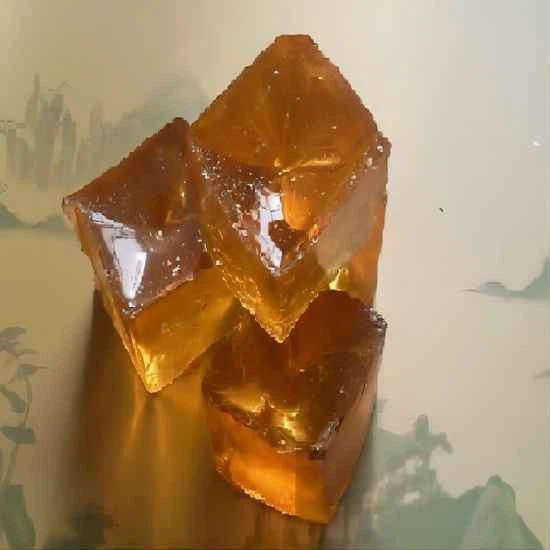

Testing the Melting Point of Rosin Flux
There are several methods to test the melting point of rosin flux.
- Capillary Tube Method: In this method, a small amount of the rosin flux is placed in a capillary tube. The tube is then heated at a controlled rate, and the temperature at which the flux starts to melt and flow is recorded as the melting point. This method is relatively simple and commonly used in laboratories.
- Differential Scanning Calorimetry (DSC): DSC is a more advanced technique that measures the heat flow associated with physical and chemical changes in a sample as a function of temperature. By analyzing the DSC curve, the melting point of the rosin flux can be accurately determined, along with other thermal properties such as the heat of fusion.
Conclusion
In conclusion, the melting point of rosin flux is a critical property that affects its performance in soldering operations. It is influenced by factors such as the type of rosin, purity, and additives. Understanding the melting point is essential for proper soldering temperature selection, ensuring effective flux activation, and achieving high - quality solder joints.
As a rosin flux supplier, we are committed to providing our customers with high - quality rosin flux products with consistent melting points. Whether you are looking for pure rosin, bulk rosin, or quality rosin, we have the solutions to meet your needs. If you are interested in our rosin flux products or have any questions about the melting point or other properties, please feel free to contact us for further discussion and procurement negotiation.
References
- "Soldering Handbook" by F. J. Zarrow
- "Fundamentals of Electronics Manufacturing" by R. P. Webb