

Is Camellia Seed Oil Sustainable?
As a supplier of Camellia Seeds, I've spent a significant amount of time delving into the sustainability aspects of Camellia Seed oil. Sustainability is not just a buzzword; it's a crucial factor that impacts the future of our industry, the environment, and the communities involved in Camellia Seed production. In this blog, I'll explore various dimensions of the sustainability of Camellia Seed oil, drawing on scientific research, industry practices, and my own experiences.
Environmental Sustainability
One of the key aspects of environmental sustainability is the cultivation of Camellia plants. Camellia trees are native to East Asia and are well - adapted to a variety of soil and climatic conditions. They are relatively hardy and can grow on marginal lands, which means they don't compete with food crops for prime agricultural land. This is a significant advantage in terms of land use efficiency.
Camellia trees have deep root systems that help prevent soil erosion. The roots hold the soil in place, reducing the risk of sediment runoff into water bodies. This is particularly important in mountainous regions where Camellia plantations are often located. Moreover, these trees can improve soil fertility over time. As the leaves of the Camellia tree fall and decompose, they add organic matter to the soil, enhancing its structure and nutrient content.
In terms of water usage, Camellia trees are relatively drought - tolerant. They require less water compared to many other oil - producing crops such as soybeans or palm trees. This makes them a more sustainable choice in regions where water resources are limited. Additionally, the cultivation of Camellia trees generally requires fewer chemical inputs. They are less susceptible to pests and diseases compared to some other crops, which means less use of pesticides and fertilizers. This reduces the environmental impact associated with chemical runoff and pollution.
However, like any agricultural activity, there are potential environmental challenges. Intensive Camellia plantations may lead to a reduction in biodiversity if they replace natural forests or other diverse ecosystems. To address this, it's important to adopt sustainable plantation management practices. For example, creating buffer zones around plantations with native vegetation can help preserve local flora and fauna.
Social Sustainability
The production of Camellia Seed oil has significant social implications. In many rural areas where Camellia trees are grown, the cultivation and processing of Camellia Seeds provide important sources of income for local communities. Small - scale farmers often rely on Camellia Seed production as a means of livelihood. By supporting the Camellia Seed industry, we can contribute to poverty alleviation and rural development.
Moreover, the traditional knowledge associated with Camellia cultivation and oil extraction is passed down through generations in these communities. Preserving this cultural heritage is an important part of social sustainability. Training programs can be established to ensure that the younger generation has the skills and knowledge to continue these practices in a sustainable way.
However, there are also challenges in terms of labor rights and working conditions. In some cases, workers in the Camellia Seed processing industry may face long hours and low pay. As a responsible supplier, it's important to ensure that fair labor practices are followed throughout the supply chain. This includes providing safe working conditions, fair wages, and opportunities for skill development.
Economic Sustainability
From an economic perspective, the market for Camellia Seed oil has been growing steadily in recent years. Camellia Seed oil is known for its high nutritional value and health benefits. It is rich in monounsaturated fatty acids, antioxidants, and vitamins, which make it a popular choice for cooking, skincare, and traditional medicine.
The versatility of Camellia Seed oil also contributes to its economic sustainability. It can be used in a wide range of products, from high - end cosmetics to healthy cooking oils. This diversification of the market reduces the risk associated with relying on a single product or market segment.
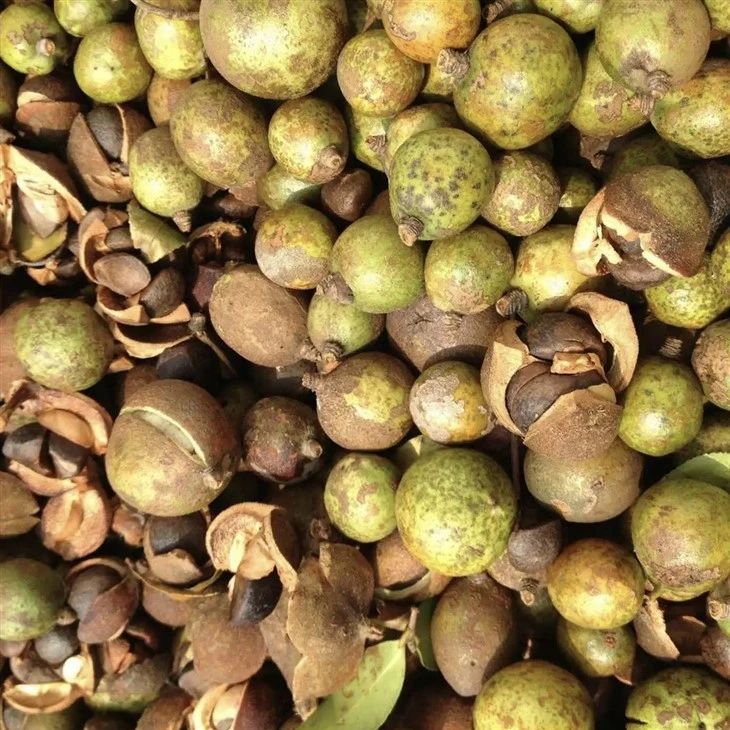
As a supplier, I've seen an increasing demand for different types of Camellia Seeds, such as Dried Camellia Seeds, Wild Camellia Seeds, and Edible Camellia Seeds. Each type has its own unique characteristics and market appeal. For example, wild Camellia Seeds are often perceived as more natural and of higher quality, which can command a premium price in the market.
However, economic sustainability also depends on factors such as market stability, price fluctuations, and competition. To ensure long - term economic viability, it's important to build strong relationships with customers, invest in research and development to improve product quality, and explore new market opportunities.
Certification and Standards
To ensure the sustainability of Camellia Seed oil, various certification and standards have been developed. These certifications provide a way to verify that the Camellia Seed oil has been produced in an environmentally, socially, and economically sustainable manner.

For example, the Rainforest Alliance certification focuses on environmental conservation, social responsibility, and economic viability. Products with this certification meet strict criteria related to biodiversity protection, fair labor practices, and sustainable farming methods. Another important certification is the Organic certification, which ensures that the Camellia Seeds have been grown without the use of synthetic pesticides and fertilizers.
As a supplier, I encourage our partners to obtain these certifications. It not only helps to ensure the quality and sustainability of our products but also enhances our market competitiveness. Consumers are becoming more conscious about the origin and production methods of the products they buy, and certifications provide them with the assurance they need.
Conclusion
In conclusion, Camellia Seed oil has great potential for sustainability. Its environmental benefits, such as efficient land and water use, and low chemical inputs, make it an attractive option from an ecological perspective. Socially, it provides livelihoods for rural communities and preserves cultural heritage. Economically, the growing market demand and product versatility contribute to its long - term viability.
However, to fully realize the sustainable potential of Camellia Seed oil, we need to address the challenges. This includes managing the environmental impact of plantations, ensuring fair labor practices, and dealing with market uncertainties. By working together, from farmers to suppliers to consumers, we can create a more sustainable Camellia Seed oil industry.
If you're interested in purchasing high - quality Camellia Seeds or learning more about our products, please feel free to contact us for a procurement discussion. We're committed to providing sustainable and premium - quality Camellia Seeds to meet your needs.
References
- "The Handbook of Edible Oils: Composition, Properties, and Uses" by Fereidoon Shahidi and Udaya Wanasundara
- "Sustainable Agriculture and Food Systems" by Jules Pretty
- Research papers on Camellia cultivation and oil production from academic journals such as the Journal of Agricultural and Food Chemistry.