

Hey there, fellow music lovers and instrument enthusiasts! I'm a supplier of boiled tung oil, and today I'm super excited to dive into a topic that combines my passion for quality products with the world of wooden musical instruments: how does boiled tung oil affect the sound of these amazing pieces of craftsmanship?
First off, let's talk a bit about what boiled tung oil is. Boiled tung oil is a popular finish for wooden items, including musical instruments. It's derived from the seeds of the tung tree, and it has been used for centuries because of its excellent properties. Unlike some other finishes, it's a natural option that can enhance the beauty and durability of wood. You can check out TUNG OIL FROM CHINESE FACTORY to learn more about the source and quality of tung oil.
Now, when it comes to wooden musical instruments, the sound is everything. The way an instrument produces and projects sound is influenced by many factors, and the finish on the wood is one of them. So, how does boiled tung oil come into play?

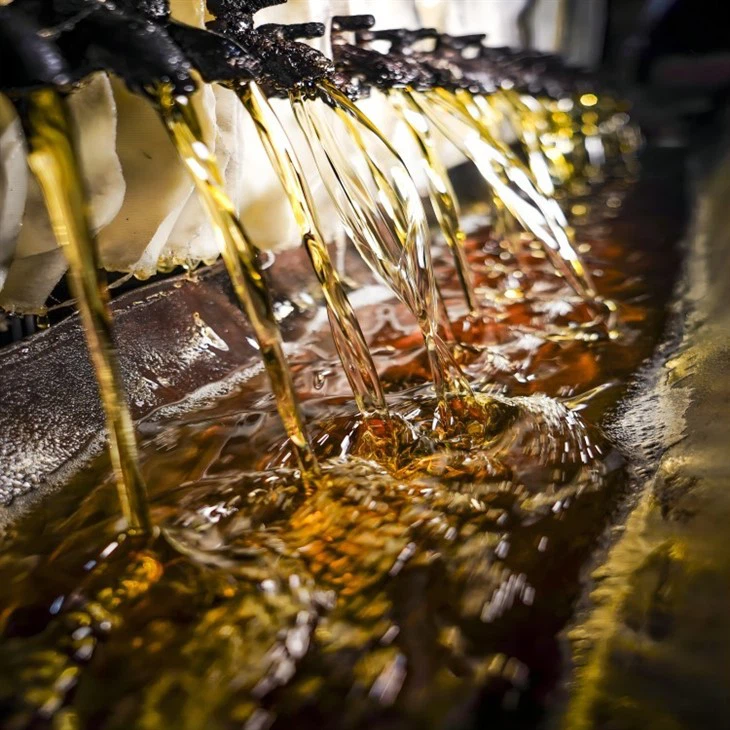
One of the key ways boiled tung oil affects the sound is through its impact on the wood's resonance. Resonance is the ability of the wood to vibrate freely and produce a rich, full - bodied sound. When you apply boiled tung oil to a wooden musical instrument, it penetrates the wood fibers. This penetration helps to seal the wood, which can prevent moisture from getting in and causing damage. But more importantly, it can also affect the way the wood vibrates.
The oil fills in the tiny pores in the wood, which can make the wood more consistent in its density. A more consistent density means that the vibrations can travel through the wood more evenly. This can lead to a clearer, more focused sound. For example, in a guitar, a well - oiled top can produce a more defined tone, with better separation between notes. The bass notes can be deeper and more resonant, while the treble notes can be brighter and more articulate.
Another aspect is the flexibility of the wood. Boiled tung oil doesn't form a hard, brittle shell like some other finishes. Instead, it allows the wood to retain a certain degree of flexibility. This flexibility is crucial for musical instruments because it enables the wood to vibrate more freely. When the wood can vibrate freely, it can produce a wider range of frequencies, resulting in a more complex and interesting sound.
Let's take a look at different types of wooden musical instruments and how boiled tung oil can affect them.
Guitars
Guitars are one of the most popular wooden musical instruments. The top of a guitar, usually made of spruce or cedar, is a critical component for sound production. Applying boiled tung oil to the top can enhance its resonance. The oil can also protect the wood from scratches and dings, which is important for maintaining the instrument's appearance and sound quality over time. You can find a great option for finishing your guitar with Pure 100% Natural Tung Oil For Wood Finishing And Waterproofing.
The sides and back of a guitar, often made of mahogany or rosewood, can also benefit from boiled tung oil. The oil can bring out the natural beauty of the wood grain while improving the overall sound projection. A well - oiled guitar can have a more balanced sound, with a good blend of bass, mid - range, and treble frequencies.
Violins
Violins are known for their delicate and beautiful sound. The wood used in violins, such as maple and spruce, needs to be treated carefully to maintain its acoustic properties. Boiled tung oil can be a great choice for finishing a violin. It can protect the wood from humidity changes, which can cause the wood to warp and affect the sound.
The oil can also enhance the violin's resonance. By allowing the wood to vibrate more freely, it can produce a warmer, more expressive sound. The bowing response can be improved, making it easier for the musician to produce a smooth and rich tone.
Drums
Even drums can benefit from boiled tung oil. The shells of drums are typically made of wood, and the finish can affect the way the drum resonates. Applying boiled tung oil to the drum shell can make the wood more stable and improve its ability to produce a clear, focused sound. The oil can also add a nice aesthetic touch to the drum, giving it a natural, warm look.
Now, let's talk about the application process. Applying boiled tung oil to a wooden musical instrument is a bit different from applying it to other wooden items. You need to be very careful and take your time.
First, the wood needs to be sanded smooth. This helps the oil to penetrate evenly. You should start with a coarse sandpaper and gradually move to a finer grit. After sanding, you can clean the wood to remove any dust.
Then, you can apply the boiled tung oil using a clean, soft cloth. You want to apply a thin, even coat. Let the oil soak into the wood for a while, and then wipe off any excess. You may need to apply several coats, allowing each coat to dry completely before applying the next one. The drying time can vary depending on the temperature and humidity, but it usually takes a few hours to a day.
It's important to note that boiled tung oil can take some time to fully cure. During this curing process, the oil continues to harden and bond with the wood. This can further improve the sound and durability of the instrument.
If you're looking for a specific type of finish, we also offer Gloss Tung Oil, which can give your instrument a shiny, professional look while still providing the acoustic benefits of tung oil.
In conclusion, boiled tung oil can have a significant impact on the sound of wooden musical instruments. It can enhance resonance, improve flexibility, and protect the wood. Whether you're a professional musician, a luthier, or just someone who loves to play an instrument at home, using boiled tung oil on your wooden musical instrument can be a great choice.
If you're interested in purchasing our high - quality boiled tung oil for your musical instrument or any other wooden project, I encourage you to reach out for a procurement discussion. We're here to provide you with the best products and advice to help you achieve the perfect sound and finish for your instrument.
References
- Wood Finishing Handbook: A Complete Guide to Finishing Wood, by Robert W. Lang
- The Science of Musical Instruments, by Fletcher, Neville H., and Rossing, Thomas D.