

Hey there! As a tung oil supplier, I often get asked all sorts of questions about tung oil. One question that pops up quite a bit is, "Can tung oil be used on metal?" Well, let's dig into this topic and find out.
First off, let's talk a bit about what tung oil is. Tung oil is a natural drying oil that comes from the seeds of the tung tree. It's been used for centuries in various applications, especially in traditional woodworking and finishing. Its popularity stems from its ability to create a hard, durable, and water - resistant finish.
Now, onto the main question: using tung oil on metal. The short answer is yes, you can use tung oil on metal, but there are some things you need to know.
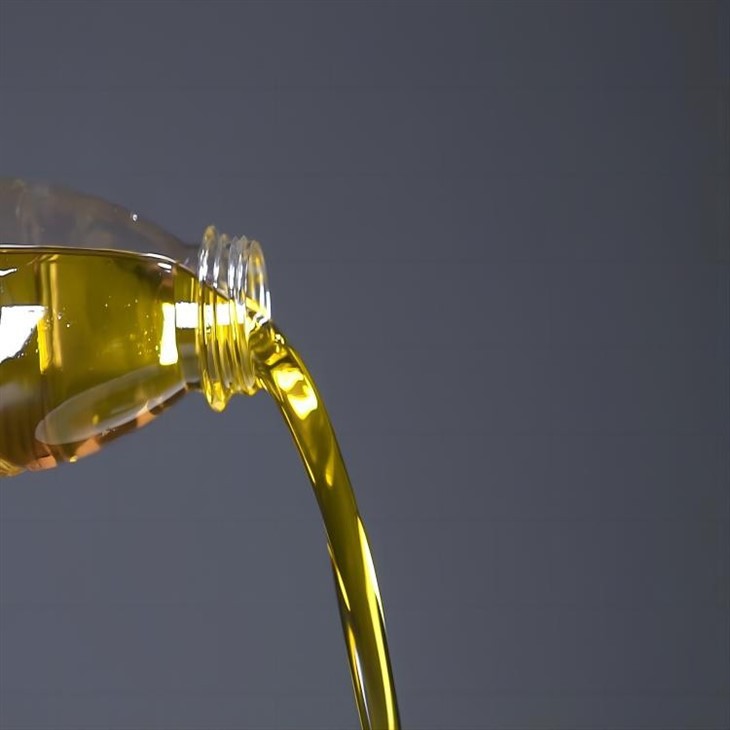

Benefits of Using Tung Oil on Metal
Corrosion Resistance
One of the major benefits of using tung oil on metal is its ability to provide a certain level of corrosion resistance. When you apply tung oil to metal, it forms a thin protective layer on the surface. This layer acts as a barrier between the metal and the surrounding environment, preventing moisture and oxygen from coming into direct contact with the metal. Since corrosion is often caused by the reaction of metal with moisture and oxygen, this protective layer can slow down or even prevent the corrosion process. For example, if you have some old metal tools or outdoor metal fixtures, applying tung oil can help extend their lifespan by protecting them from rust.
Aesthetic Appeal
Tung oil can also enhance the aesthetic appeal of metal. It gives the metal a warm, natural look. The oil penetrates the surface of the metal slightly, bringing out its natural texture and color. This can be particularly useful for decorative metal items like sculptures or metal jewelry. It can add a unique and rustic charm to the metal, making it stand out.
Lubrication
In some cases, tung oil can act as a lubricant. For metal parts that move against each other, such as hinges or gears, a thin layer of tung oil can reduce friction. This not only makes the movement smoother but also reduces wear and tear on the metal parts.
How to Use Tung Oil on Metal
Surface Preparation
Before applying tung oil to metal, proper surface preparation is crucial. First, you need to clean the metal thoroughly. Remove any dirt, grease, rust, or old paint from the surface. You can use a wire brush to scrub off rust and a degreaser to remove grease. Once the metal is clean, you may want to sand the surface lightly. Sanding helps to create a rough surface for the tung oil to adhere to better. It also removes any remaining contaminants and smooths out any rough spots.
Application
There are a few different ways to apply tung oil to metal. You can use a brush, a cloth, or even spray it on. If you're using a brush, choose a high - quality natural bristle brush. Dip the brush into the tung oil and apply it evenly to the metal surface. Make sure to cover the entire surface, getting into all the nooks and crannies. If you prefer using a cloth, soak a clean, lint - free cloth in the tung oil and then rub it onto the metal. This method can be a bit more labor - intensive but can provide a very even finish.
Multiple Coats
It's usually a good idea to apply multiple coats of tung oil. Let the first coat dry completely before applying the next one. The drying time can vary depending on factors like temperature and humidity, but it typically takes a few hours to a day. Each additional coat will build up the protective layer and enhance the finish.
Limitations of Using Tung Oil on Metal
Durability
While tung oil can provide some protection to metal, it's not as durable as some other metal coatings. For example, compared to a powder - coated finish or a galvanized coating, tung oil may wear off more quickly, especially in high - traffic or harsh environments. So, if you're using the metal in a place where it will be exposed to a lot of abrasion or extreme weather conditions, you may need to reapply the tung oil more frequently.
Heat Resistance
Tung oil has limited heat resistance. If the metal is going to be exposed to high temperatures, the tung oil may start to break down or even catch fire. So, it's not suitable for use on metal parts that are near heat sources, such as the engine of a car or a stove burner.
Different Types of Tung Oil for Metal
There are different types of tung oil available, and some may be more suitable for metal applications than others.
Boiled Tung Oil is a popular choice. It has been treated with additives to speed up the drying process. This can be beneficial when working with metal, as it means you can apply multiple coats in a shorter period of time. However, some people prefer the natural, untreated tung oil because it doesn't contain any additives.
If you're looking for a high - quality tung oil source, you might be interested in TUNG OIL FROM CHINESE FACTORY. Chinese factories are known for producing large quantities of high - quality tung oil, which can be a great option for industrial or large - scale metal applications.
Other Applications of Tung Oil
Tung oil isn't just for metal. It has a wide range of other applications. For example, Tung Oil For Guitar & Musical Instrument Maintenance is a well - known use. It can be used to protect and enhance the finish of wooden guitars and other musical instruments. It penetrates the wood, providing a natural, beautiful finish while also protecting the wood from moisture and damage.
Contact for Purchase and Discussion
If you're interested in using tung oil for your metal projects or any other applications, I'd love to have a chat with you. Whether you have questions about the best type of tung oil for your needs, how to apply it, or you're ready to make a purchase, feel free to reach out. I'm here to help you get the most out of tung oil.
References
- Smith, J. (2020). "The Handbook of Natural Oils and Their Applications". Publisher: Green Press.
- Brown, A. (2019). "Tung Oil: A Natural Wonder". Journal of Natural Finishes, Vol. 15, pp. 45 - 52.