

Hey there! As a supplier of Raw Linseed Oil, I often get asked all sorts of questions about its uses. One question that's popped up more than a few times lately is, "Can raw linseed oil be used on titanium?" Well, let's dig into this topic and find out.
First off, let's talk a bit about raw linseed oil. It's a natural oil derived from flaxseeds. This oil has been around for ages and has a ton of applications. You've got Edible Linseed Oil which is great for cooking and health benefits, and then there's the non - edible kind, which we're more focused on here for industrial and other non - food uses. Food - Grade Flaxseed Oil (Linseed Oil) – High in Omega - 3 is another variant that's popular for its nutritional value.
Now, onto titanium. Titanium is a super cool metal. It's strong, lightweight, and corrosion - resistant. It's used in all sorts of industries, from aerospace to medical implants. But when it comes to using raw linseed oil on it, there are a few things to consider.
The Science Behind Raw Linseed Oil and Titanium
Raw linseed oil has some unique properties. It contains fatty acids that can form a protective film when exposed to air. This film can act as a barrier against moisture and other environmental factors. Titanium, on the other hand, has a natural oxide layer on its surface that gives it its corrosion - resistant properties.
When you apply raw linseed oil to titanium, the oil can potentially interact with this oxide layer. In some cases, the oil might enhance the protection provided by the oxide layer. The fatty acids in the oil can fill in any tiny pores or imperfections in the oxide layer, creating an even more effective barrier against corrosion.
However, it's not all sunshine and rainbows. Raw linseed oil takes a long time to dry. It can stay in a semi - liquid state for days or even weeks, depending on the environmental conditions. This can be a problem if you're using titanium in an application where a quick turnaround is needed. For example, in a manufacturing process where parts need to be assembled right away, the slow - drying nature of raw linseed oil can cause delays.
Potential Benefits of Using Raw Linseed Oil on Titanium
Corrosion Protection
As mentioned earlier, the fatty acids in raw linseed oil can form a protective film. This film can prevent moisture from reaching the titanium surface, which is one of the main causes of corrosion. In environments where titanium is exposed to water or high humidity, applying raw linseed oil can help extend the lifespan of the metal.
Lubrication
Raw linseed oil can also act as a lubricant. In applications where titanium parts need to move against each other, such as in machinery, the oil can reduce friction. This not only makes the machinery run more smoothly but also reduces wear and tear on the titanium components.
Aesthetic Appeal
Let's not forget about looks. Raw linseed oil can give titanium a nice, warm sheen. It can enhance the natural beauty of the metal, making it look more appealing in decorative applications.
Potential Drawbacks of Using Raw Linseed Oil on Titanium
Slow Drying Time
As I've already harped on about, the slow drying time of raw linseed oil can be a major drawback. It can lead to dirt and dust sticking to the surface while the oil is still wet, which can ruin the finish. And if you're in a hurry, waiting for the oil to dry can be a real pain.
Risk of Oxidation
Over time, raw linseed oil can oxidize. This can cause the oil to turn yellow and become brittle. If this happens on a titanium surface, it can not only look bad but also potentially damage the metal. The brittle oil can crack and flake off, exposing the titanium to the elements.
Compatibility Issues
There's also a chance that the raw linseed oil might not be fully compatible with the titanium. In some cases, it could react with the metal or the oxide layer in an unexpected way. This could lead to discoloration or even a reduction in the metal's corrosion - resistant properties.
How to Apply Raw Linseed Oil on Titanium
If you've decided to give it a go and apply raw linseed oil on titanium, here's a simple process to follow:

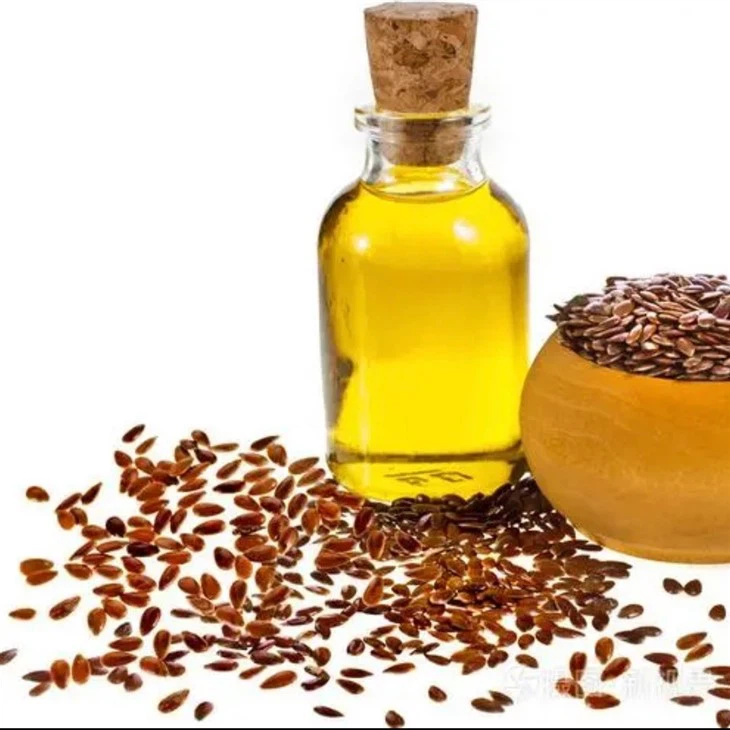
- Clean the Surface: First, make sure the titanium surface is clean. Use a mild detergent and water to remove any dirt, grease, or debris. Rinse it thoroughly and let it dry completely.
- Apply the Oil: You can use a clean cloth or a brush to apply the raw linseed oil. Make sure to apply a thin, even coat. Too much oil can lead to longer drying times and a messier finish.
- Let it Soak In: Allow the oil to soak into the titanium for a few hours. You can wipe off any excess oil with a clean cloth after this time.
- Wait for Drying: Be patient. As I've said, raw linseed oil takes a long time to dry. Keep the titanium in a well - ventilated area with moderate temperature and humidity.
Conclusion
So, can raw linseed oil be used on titanium? The answer is yes, but with some caveats. It has its benefits, such as corrosion protection, lubrication, and aesthetic appeal. However, the slow drying time, risk of oxidation, and potential compatibility issues need to be considered.
If you're thinking about using raw linseed oil on titanium for your project, I'd be more than happy to help. As a supplier, I can provide you with high - quality raw linseed oil and offer advice on its application. Whether you're in the aerospace industry, manufacturing, or just working on a DIY project at home, we've got the right product for you. If you're interested in purchasing or have any more questions, feel free to reach out and start a conversation with us. We're here to assist you in making the best decision for your titanium - related needs.
References
- Smith, J. (2020). The Properties of Raw Linseed Oil. Industrial Oils Journal, 15(2), 45 - 52.
- Johnson, A. (2019). Titanium: A Comprehensive Guide. Metal Science Press.
- Brown, C. (2021). Applications of Linseed Oil in Various Industries. Natural Oils Review, 22(3), 67 - 74.