

Can I use tung oil finish on a wooden canoe?
As a supplier of tung oil finish, I often get asked whether it's suitable to use our product on a wooden canoe. The short answer is yes, but there's a lot more to it than that. In this blog post, I'll delve into the details of using tung oil finish on a wooden canoe, exploring its benefits, application process, and some considerations you need to keep in mind.
Why Tung Oil Finish for a Wooden Canoe?
Tung oil, also known as China wood oil, has been used for centuries in various applications, from furniture finishing to marine uses. It's derived from the seeds of the tung tree, and its unique properties make it an excellent choice for protecting and enhancing the beauty of a wooden canoe.
One of the primary benefits of using tung oil finish on a wooden canoe is its natural water - resistance. When properly applied, tung oil penetrates deep into the wood fibers, creating a hydrophobic barrier that helps prevent water from seeping into the wood. This is crucial for a canoe, as prolonged exposure to water can cause the wood to swell, warp, and eventually rot. By using tung oil, you can significantly extend the lifespan of your wooden canoe.
Another advantage is its ability to enhance the natural beauty of the wood. Tung oil brings out the grain and color of the wood, giving it a rich, warm, and lustrous appearance. It doesn't form a thick, plastic - like coating like some synthetic finishes; instead, it provides a more natural and subtle sheen that allows the wood's character to shine through.
Tung oil is also a relatively eco - friendly option. It's a natural product, and many of our tung oil finishes are formulated without harsh chemicals or solvents. This makes it a great choice for those who are environmentally conscious and want to use a sustainable product on their canoe.
Types of Tung Oil for Canoes
There are different types of tung oil available, and each has its own characteristics.
CHINESE TUNG OIL CHINESE TUNG OIL: This is the purest form of tung oil. It's extracted directly from the tung tree seeds and has excellent natural properties. Chinese tung oil provides a high level of water - resistance and a beautiful finish. However, it has a relatively long drying time, which can be a drawback if you're looking for a quick - drying solution.
Boiled Tung Oil Boiled Tung Oil: Despite its name, boiled tung oil isn't actually boiled. It has been treated with additives to speed up the drying process. This makes it a more convenient option for canoe owners who want to finish their project in a shorter time. Boiled tung oil still offers good water - resistance and a nice finish, but the additives may make it slightly less "pure" than Chinese tung oil.
Tung Oil For Guitar & Musical Instrument Maintenance Tung Oil For Guitar & Musical Instrument Maintenance: This type of tung oil is often refined to a very high standard. It can also be used on a wooden canoe, as it provides a smooth and durable finish. The refining process may remove some impurities, resulting in a more consistent and high - quality product.
Application Process
Applying tung oil finish to a wooden canoe requires some patience and attention to detail. Here's a step - by - step guide on how to do it:

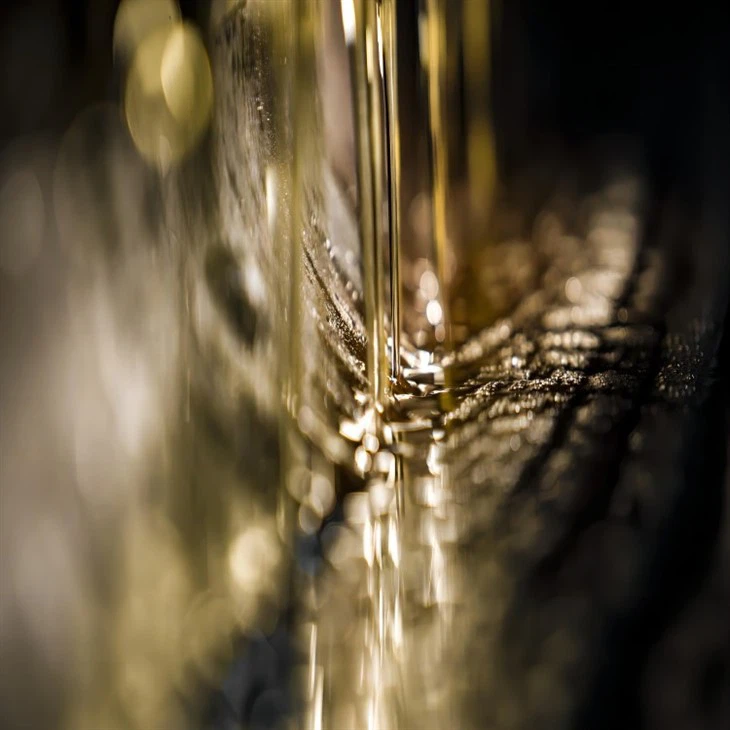
Step 1: Prepare the Wood
The first step is to prepare the surface of the canoe. Sand the wood thoroughly to remove any rough spots, splinters, or old finish. Start with a coarse - grit sandpaper (around 80 - 100 grit) and gradually work your way up to a finer grit (220 - 320 grit). This will create a smooth surface for the tung oil to adhere to. Wipe the wood clean with a damp cloth to remove any dust.
Step 2: Apply the First Coat
Using a clean, lint - free cloth or a natural - bristle brush, apply a thin coat of tung oil to the wood. Make sure to work the oil into the grain of the wood, covering the entire surface of the canoe evenly. Pay special attention to the edges and seams, as these areas are more prone to water damage.
Step 3: Let it Penetrate
Allow the tung oil to penetrate the wood for about 15 - 20 minutes. During this time, the oil will start to darken the wood as it soaks in. If there are any areas where the oil is pooling, use a clean cloth to wipe off the excess.
Step 4: Wipe Off Excess
After the penetration time, use a clean, dry cloth to wipe off any excess tung oil. This step is crucial, as leaving excess oil on the surface can cause the finish to become sticky and take longer to dry.
Step 5: Drying Time
Let the first coat dry completely. The drying time can vary depending on the type of tung oil you're using, the temperature, and the humidity. In general, it can take anywhere from 24 to 72 hours for the first coat to dry.
Step 6: Apply Additional Coats
Once the first coat is dry, you can apply additional coats of tung oil. For a wooden canoe, it's recommended to apply at least 3 - 4 coats for optimal protection. Repeat the application process for each coat, making sure to sand the surface lightly with a fine - grit sandpaper between coats to promote better adhesion.
Considerations
While tung oil finish is a great option for a wooden canoe, there are some considerations you need to keep in mind.
Drying Time
As mentioned earlier, tung oil has a relatively long drying time, especially the pure Chinese tung oil. This means you need to plan your project accordingly and be patient. If you're in a hurry to get your canoe back on the water, you may want to consider using boiled tung oil, which dries faster.
Maintenance
Tung oil finish requires some maintenance over time. The finish will gradually wear off with use and exposure to the elements. You may need to re - apply a coat of tung oil every year or two to keep the canoe protected and looking its best.
Compatibility with Other Finishes
If your canoe has an existing finish, make sure to test the tung oil on a small, inconspicuous area first. Some finishes may not be compatible with tung oil, and applying it over an incompatible finish can cause adhesion problems or other issues.
Contact for Purchase and Consultation
If you're interested in using our tung oil finish for your wooden canoe, I encourage you to reach out to us. We have a wide range of tung oil products to suit your needs, and our team of experts can provide you with more detailed information and advice on the best product for your project. Whether you're a DIY enthusiast or a professional canoe builder, we're here to help you achieve the best results.
References
- "Wood Finishing: A Complete Guide" by Robert W. Lang
- "The Handbook of Wood Chemistry and Wood Composites" edited by R. Rowell